ROM Archive
The complete Roms Portal catalog — consoles from the golden era of gaming, organized by platform, genre, and region. Filter to find exactly what you're looking for.
1,967 ROMs
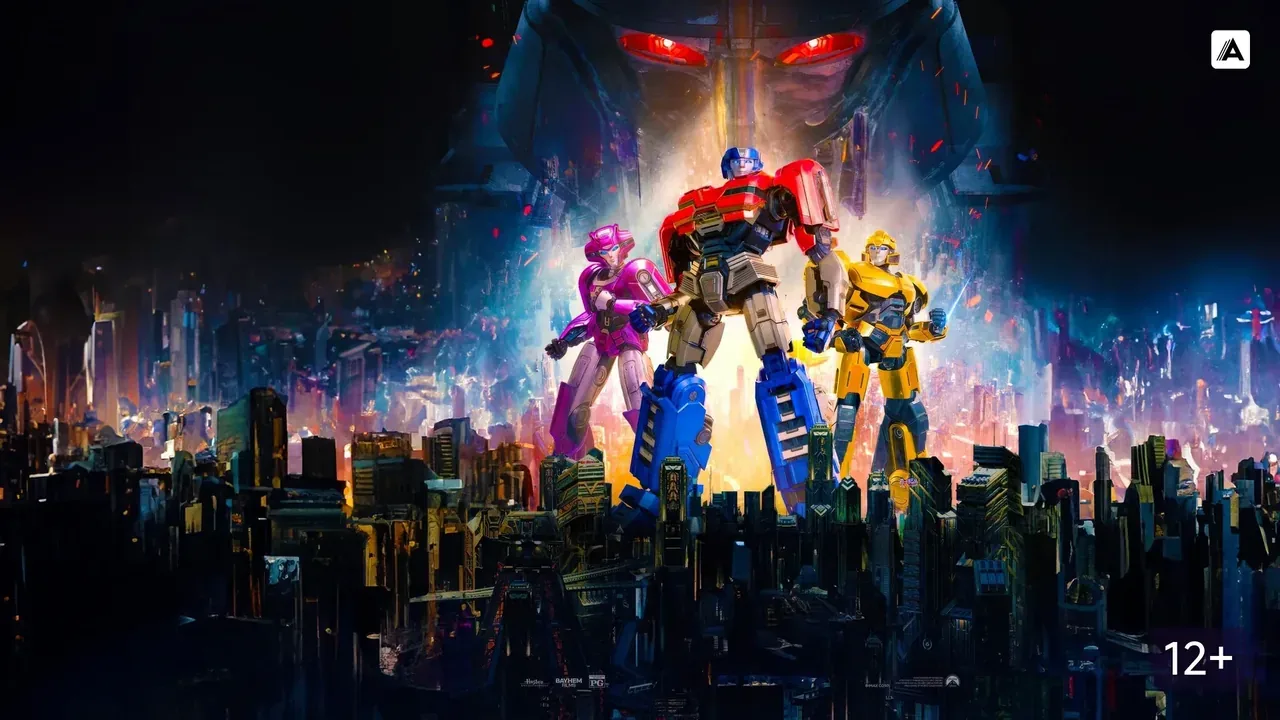 TransformersTransformers is an action game developed by Melbourne House and published by Atari for the PlayStation 2, released in 2004. The game draws from the Generation 1 Transformers universe and puts players in control of the Autobots as they battle the Decepticons across a war-scarred version of Earth and Cybertron. Players take command of individual Transformers, each fully capable of switching instantly between robot and vehicle modes at any point during combat. The roster includes iconic characters like Optimus Prime, Hot Shot, Red Alert, and Jetfire, all lifted directly from the original animated series. The instant-transform mechanic sits at the heart of every encounter, letting players move from close-range melee combat to high-speed vehicular assaults in the middle of a fight without breaking pace. Melbourne House built the entire game structure around this two-mode system, and it shapes how players tackle every objective, enemy wave, and boss confrontation throughout the campaign.
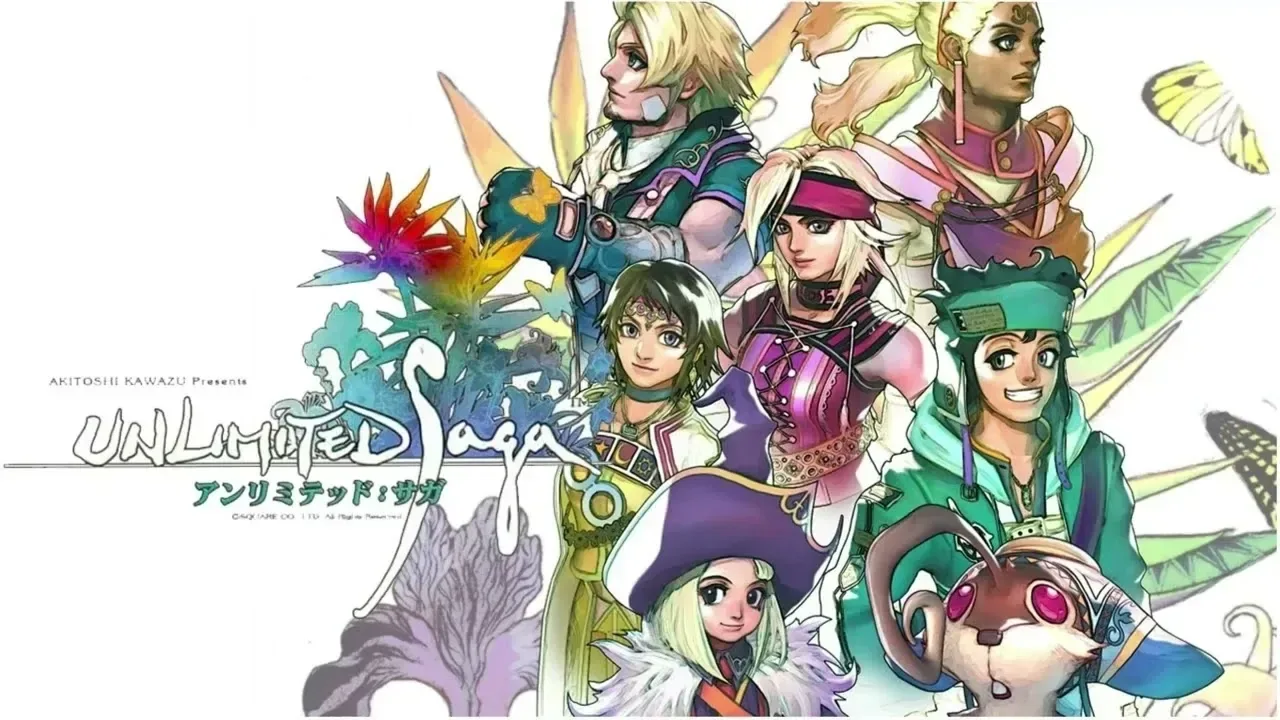 Unlimited SagaUnlimited Saga is a role-playing game that Square Enix developed and published for the PlayStation 2. The studio released it in Japan in 2002 and brought it to North America in 2003, marking a bold entry in the long-running SaGa series. Unlike traditional JRPGs, Unlimited Saga takes a board game approach to its structure, presenting an overworld that resembles a tabletop map where players roll virtual dice to move across locations. The game features seven playable protagonists, each with a distinct storyline, giving players a wide range of starting points and narrative paths. Square Enix built the game around a striking visual style that blends watercolor art with hand-drawn illustrations, making it stand out sharply from every other PS2 RPG of its time. Combat plays out on a grid-based field and rewards players who master its layered skill and panel systems. The game challenges genre conventions in ways few RPGs dare to attempt.
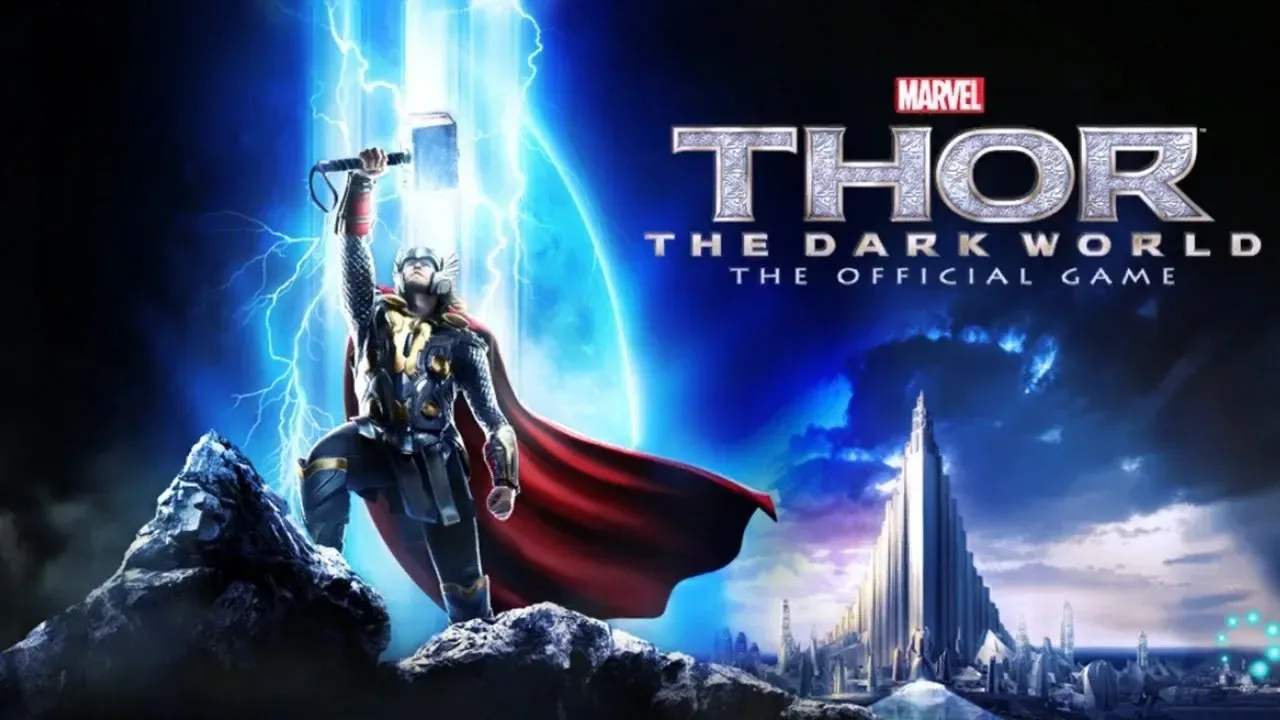 ThorThor is an action-adventure game for the PlayStation 2 that Crave Entertainment developed and Global Star Software published. Based on the legendary Norse god of thunder, the game puts players in control of Thor as he battles Loki and a growing army of mythological villains across the nine realms. Armed with his legendary hammer Mjolnir, Thor must fight through stages packed with frost giants, undead warriors, and other dangers that demand quick reflexes and smart use of his divine abilities. The game draws on classic Norse lore to build a world that feels authentically grounded in mythology while keeping the moment-to-moment action fast and entertaining. Combat centers on chaining melee strikes, hurling Mjolnir at distant targets, and calling down lightning on groups of foes. Thor stands out among PS2 action titles for its rich mythological setting and the variety of powers it places in the player's hands from the start.
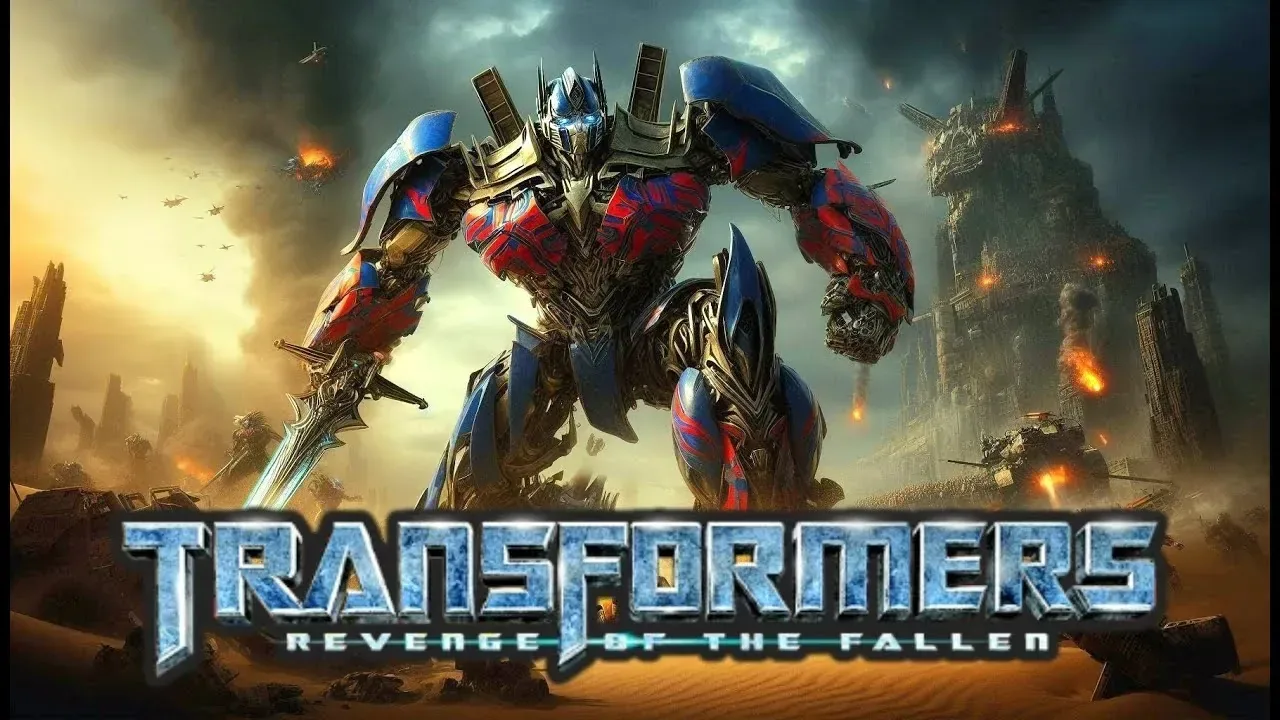 Transformers: Revenge of the FallenKrome Studios developed Transformers: Revenge of the Fallen as an action game for the PlayStation 2, with Activision handling the publishing duties. The game adapts the 2009 blockbuster film Michael Bay directed and drops players into the middle of the ongoing war between the Autobots and Decepticons. Players pick a side and take control of powerful Transformers characters, switching freely between robot form and vehicle form at any moment during combat. This transformation mechanic sits at the heart of every encounter, letting players drive at high speed through wide open environments before shifting into robot mode to exchange fire and trade blows with enemies. The PlayStation 2 version uses a third-person action structure that fits the hardware and delivers fast-paced combat that captures the chaos and scale of the movie's biggest battles. Each playable character carries a different weapon set and moves in its own distinct way, giving the game genuine variety as players push through missions that follow the film's storyline.
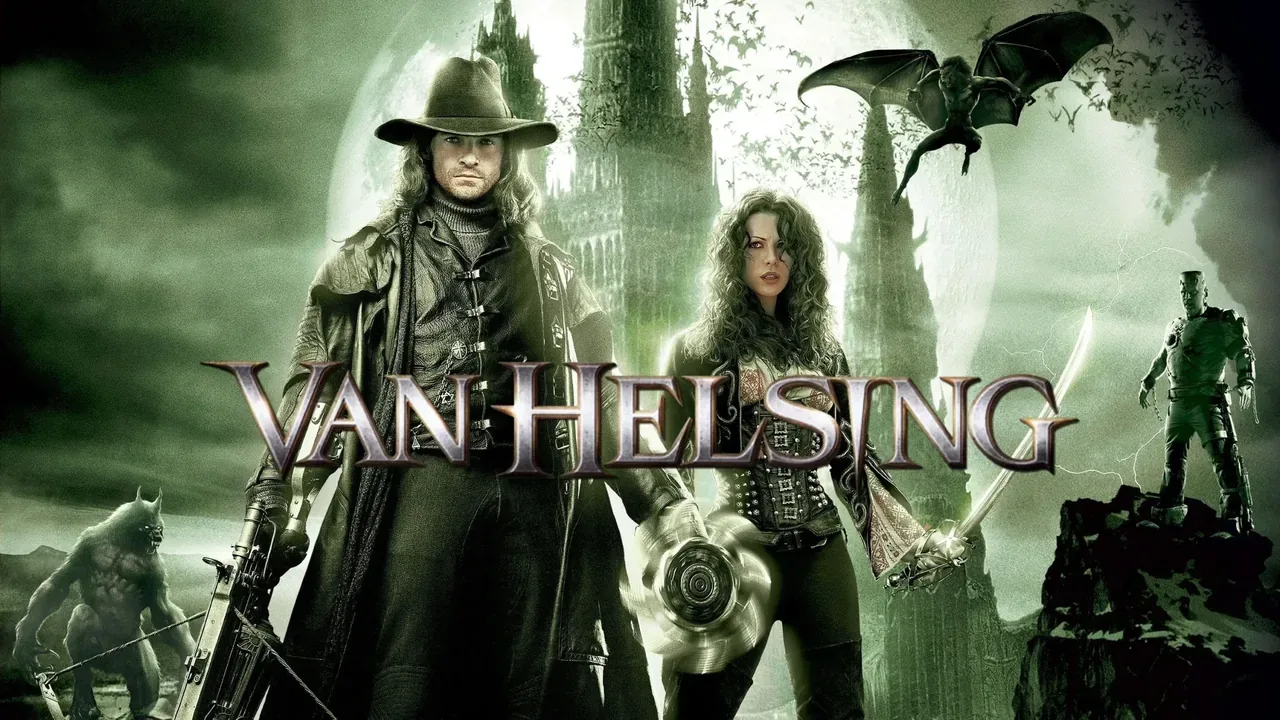 Van HelsingVan Helsing is a 2004 action game that Saffire Corporation developed and Vivendi Universal Games published for the PlayStation 2. Saffire built the game to coincide with the Universal Pictures film of the same name, and it puts players in the shoes of the legendary monster hunter Gabriel Van Helsing as he battles iconic creatures of the night. The game draws its setting from nineteenth century Europe, placing Van Helsing in gothic environments filled with werewolves, vampires, and other supernatural threats. Players take the fight directly to Count Dracula while using a mix of close-range melee combat and long-range weaponry to work through hordes of enemies. What sets the game apart from standard film tie-ins is its commitment to recreating the fast-paced, high-energy action of its source material, giving fans of the movie a chance to step directly into the story. The game captures the dark atmosphere of the film with detailed character designs and environments that mirror the visual style audiences saw on screen.
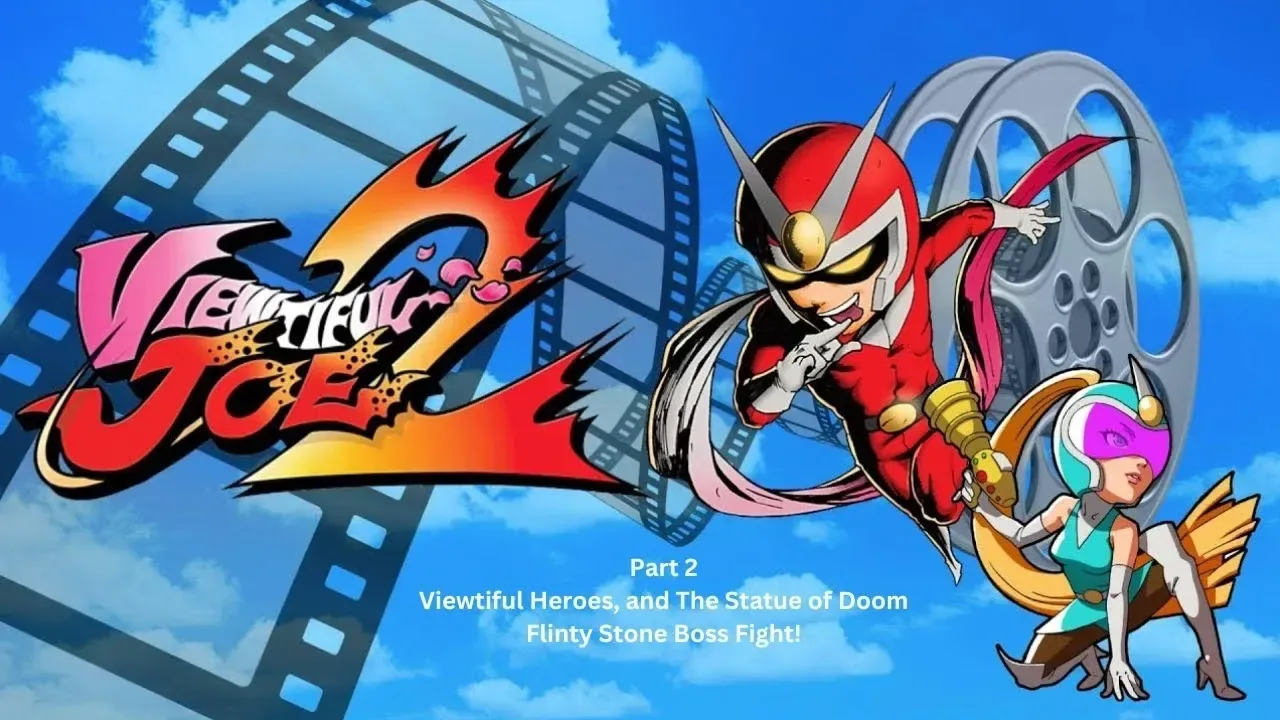 Viewtiful Joe 2Viewtiful Joe 2 is an action beat 'em up that Clover Studio developed and Capcom published, launching first on Nintendo GameCube in 2004 before arriving on PlayStation 2 in 2005. The game casts players as Joe, a movie-obsessed superhero, and for the first time introduces his girlfriend Sylvia as a fully playable character alongside him. The story sends both heroes into a series of movie-themed worlds to stop a new villainous organization called Gedow from stealing the six "Films of the World." Like its predecessor, the game blends side-scrolling brawling with a bold comic-book visual style that makes every stage feel like a scene pulled from a Hollywood production. The central mechanic revolves around Joe's V-Watch, a device that lets him activate VFX powers to slow down or speed up time during combat. These time-altering abilities force players to think carefully about each enemy encounter, turning what could be a straightforward brawler into a layered action experience that rewards experimentation.
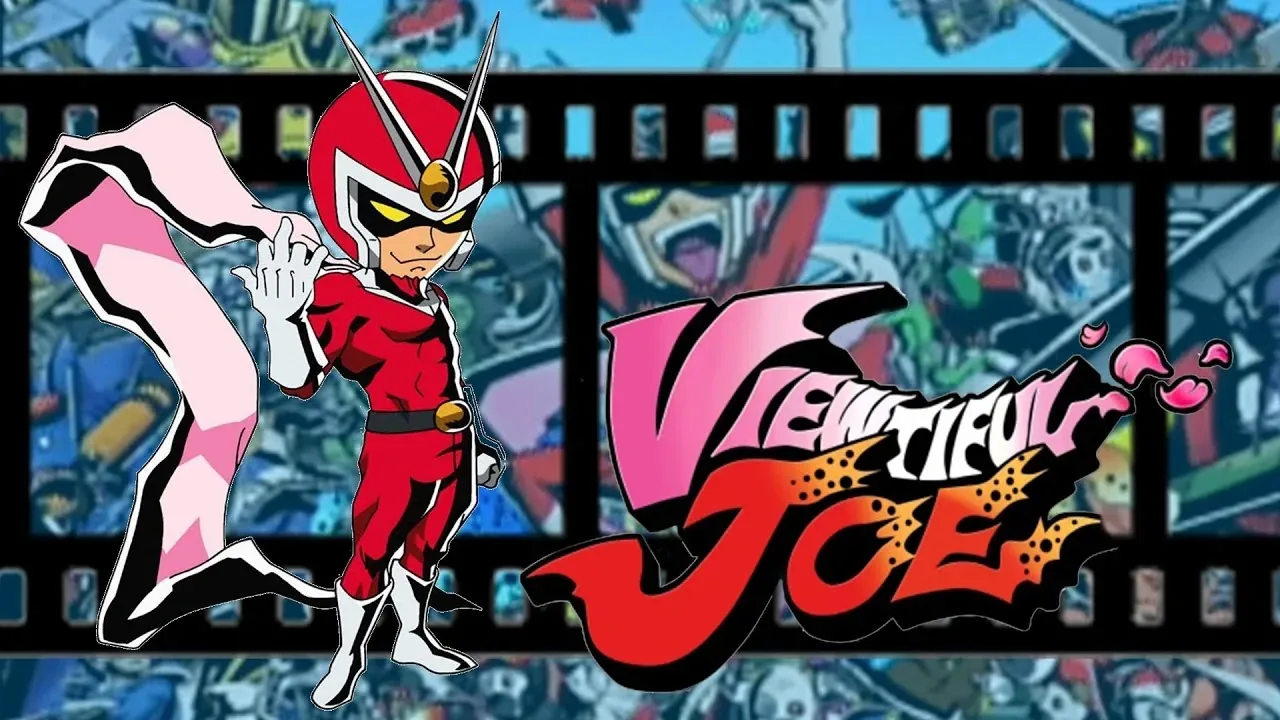 Viewtiful JoeViewtiful Joe is a side-scrolling action game that Capcom's Clover Studio developed and published, first releasing on the Nintendo GameCube in 2003 before bringing it to the PlayStation 2 in 2004. The game follows Joe, an ordinary film fanatic who finds himself trapped inside a classic action movie and transforms into a caped superhero to rescue his girlfriend Silvia from the villain Captain Blue. Director Hideki Kamiya shaped a game that pairs hard-hitting beat 'em up combat with a bold cel-shaded visual style that makes the whole game look like panels straight out of a comic book. The PS2 version delivers the full original experience to a wider player base with no content cuts. What makes the game stand apart is its VFX power system, which gives Joe the ability to slow down time, push events into fast-forward, and zoom in on the action, changing how enemies react and how projectiles travel across the screen during each fight.
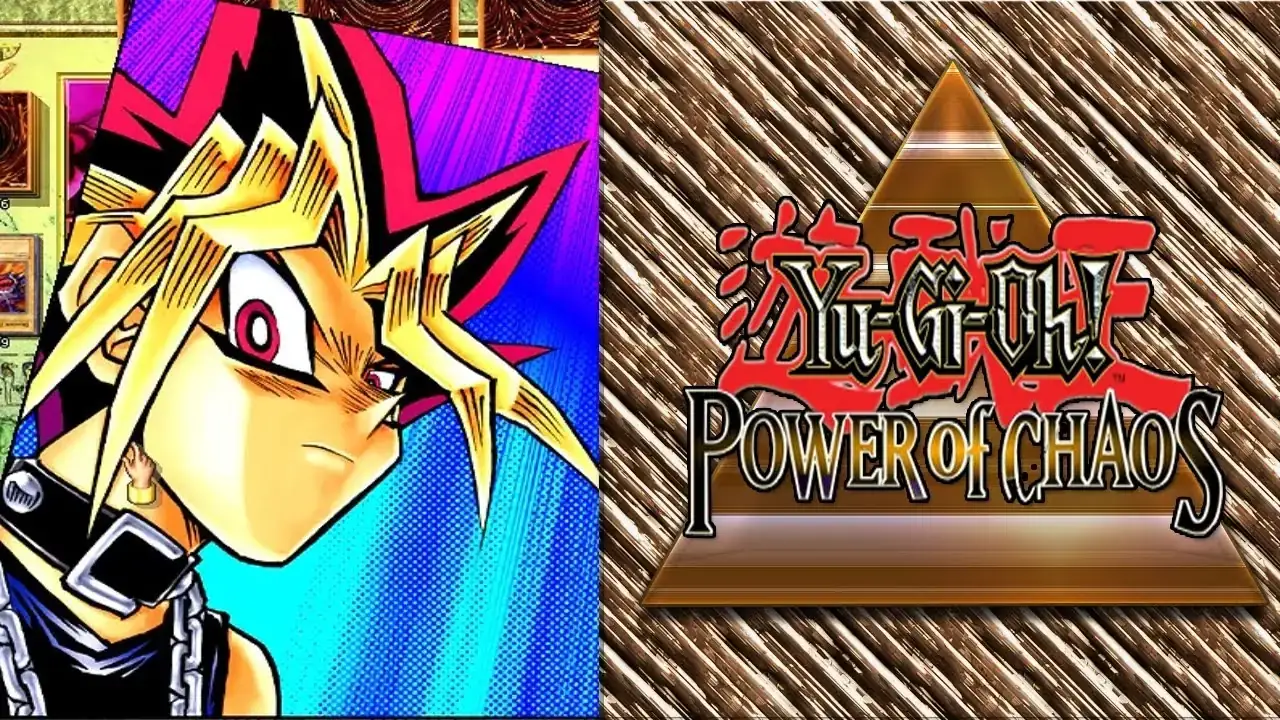 Yu-Gi-Oh! Power of ChaosYu-Gi-Oh! Power of Chaos is a card game title developed and published by Konami for the PlayStation 2. The game brings the iconic Duel Monsters trading card game from the Yu-Gi-Oh! anime directly to the console, giving fans a way to build decks and compete in one-on-one duels. Players take on the role of a duelist and go up against characters from the original animated series, following the same rules that define the real card game. Each duel tasks players with reducing their opponent's Life Points from 8000 to zero by playing monster cards, spell cards, and trap cards in strategic order. What makes the game stand out is how closely it follows official card game rules, making it feel like a proper digital version of the actual trading card experience. Konami used card artwork and visual effects that fans of the series recognize, giving the game a strong connection to the source material and making it an appealing title for both casual viewers and serious card players.
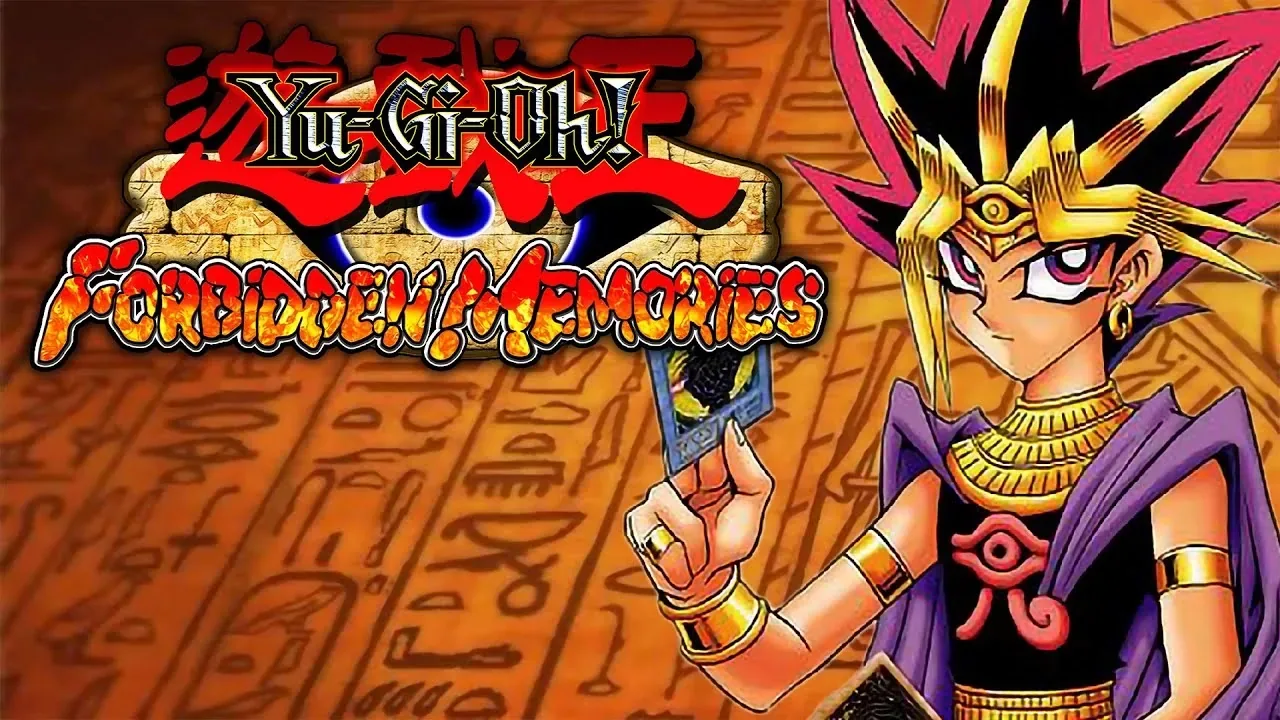 Yu-Gi-Oh! Forbidden MemoriesKonami developed and published Yu-Gi-Oh! Forbidden Memories as a card game RPG for the PlayStation 2. Based on the popular anime and manga series that Kazuki Takahashi created, the game takes players back to ancient Egypt, where a young pharaoh must collect powerful cards and duel opponents to protect the world from dark forces. Unlike the traditional Yu-Gi-Oh trading card game rules, Forbidden Memories uses its own simplified ruleset that focuses on raw card power and fusion combinations rather than complex mechanics. Players build a deck and battle a wide cast of opponents across a story-driven campaign set in a fantasy Egyptian world. The game stands out for its deep card collection system, featuring over 700 cards to collect, fuse, and master. Fusions play a central role, allowing players to combine two monsters in their hand to summon a more powerful creature during battle. This mechanic gives the game a satisfying layer of strategy that keeps players engaged throughout the journey.
 Zone of the Enders HD CollectionZone of the Enders HD Collection brings together two mecha action titles from Konami under one package. The collection includes the original Zone of the Enders and its sequel, Zone of the Enders: The 2nd Runner, both games that first appeared on PlayStation 2. Konami rebuilt both with high-definition visuals, sharper textures, improved frame rates, and widescreen support, bringing their anime-style art direction closer to modern display standards. Both games put players inside massive mechanical suits called Orbital Frames and center the experience on fast, fluid aerial combat. The original game follows Leo Stenbuck, a young colonist who accidentally pilots a powerful Orbital Frame named Jehuty during an invasion on Jupiter's moon, Io. The blend of high-speed movement, close-range melee attacks, and ranged energy weapons gave these games a combat style that stood apart from most action titles of their era, and the HD upgrades made that style accessible to a new audience.
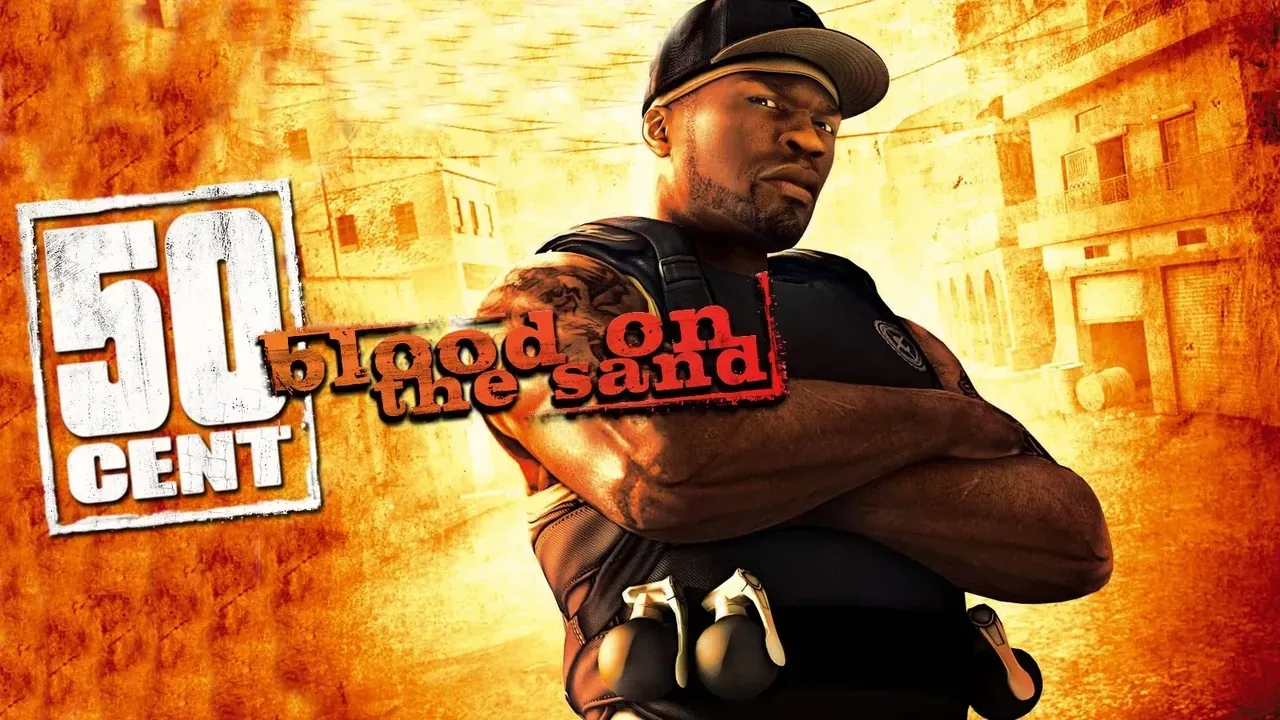 50 Cent: Blood on the SandSwordfish Studios developed 50 Cent: Blood on the Sand, a third-person shooter that Vivendi Games published for the PlayStation 2. The game stars rapper 50 Cent and members of his G-Unit crew on a mission to recover a diamond-encrusted skull stolen from them after a concert performance gone wrong in a war-torn Middle Eastern country. Players control 50 Cent through a series of intense combat sequences, gunning down waves of armed enemies across open city streets, desert ruins, and military compounds. The game draws heavily from hip-hop culture, weaving 50 Cent's music into the gameplay and rewarding players with new tracks as they progress. What sets it apart from standard shooters is its over-the-top tone, which leans fully into absurd action movie territory rather than military realism. The premise is ridiculous in the best way, giving the game a personality that most cover-based shooters lack. It plays fast, feels responsive, and keeps the energy high throughout every level.
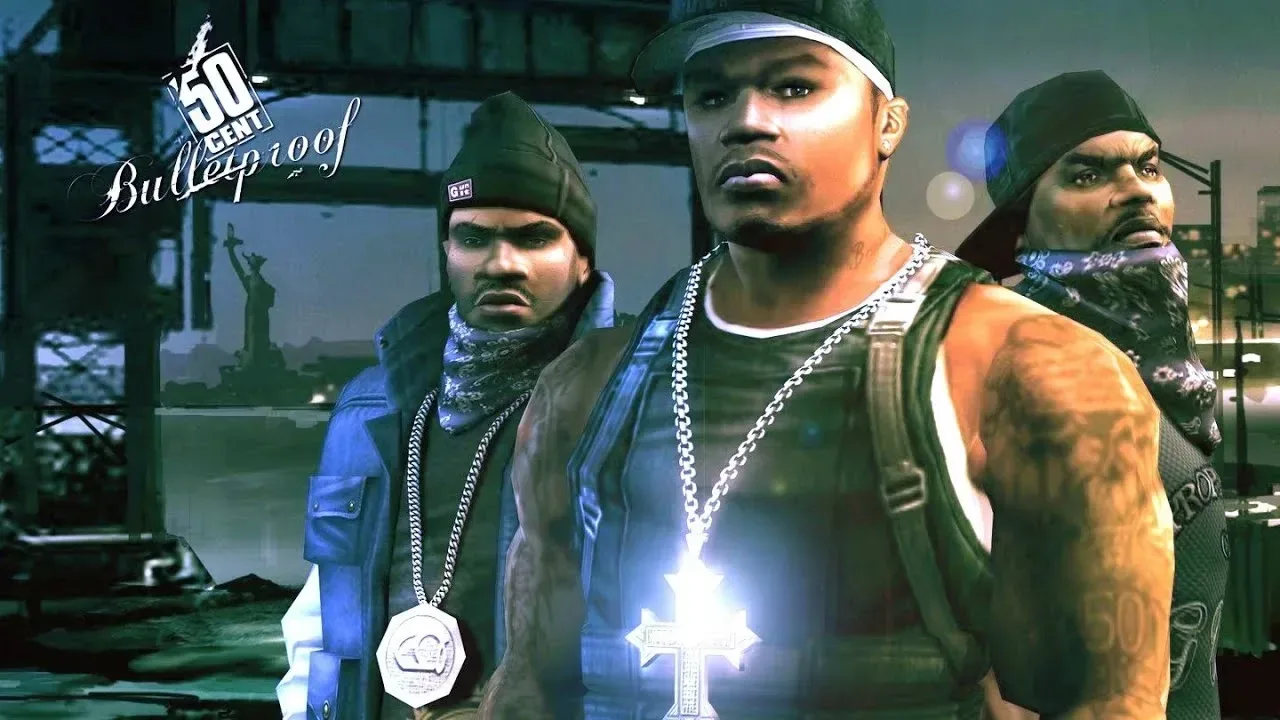 50 Cent: Bulletproof50 Cent: Bulletproof is a third-person action shooter that Genuine Games developed and Vivendi Universal Games published for the PlayStation 2 in 2005. The game casts players as 50 Cent, following his character through the streets of New York City after a near-fatal assassination attempt leaves him searching for the people who ordered the hit. He fights through rival gangs and corrupt figures across a gritty urban environment to piece together the conspiracy behind the shooting. The game draws directly from 50 Cent's real-life persona and music career, with 50 Cent himself contributing to the story and voicing his own character. Players mix gunplay with close-quarters combat, shooting enemies with a range of firearms while also performing brutal hand-to-hand takedowns. The game packs in over 30 tracks from 50 Cent and the G-Unit crew, weaving the music into the action in a way that gives the experience a strong hip-hop identity distinct from other action titles of the era.
 Auto ModellistaAuto Modellista is a racing game that Capcom developed and published for the PlayStation 2. Released in Japan in 2002 before arriving in North America and Europe in 2003, it stands apart from other racing games of its era thanks to its striking cel-shaded visual style, which gives every car and track a hand-drawn, comic book appearance. Rather than chasing realism, Capcom leaned into a stylized aesthetic that made the game instantly recognizable on store shelves. Players race tuned Japanese street cars across a variety of circuits, with the action focusing on fast, arcade-style driving that rewards clean cornering and controlled drifting. The game draws from the world of Japanese car culture, featuring popular tuner vehicles from manufacturers like Honda, Nissan, Toyota, and Mitsubishi. Players fit each car with performance upgrades and visual parts, building a personalized machine that reflects their own style and improves its lap times on the track.
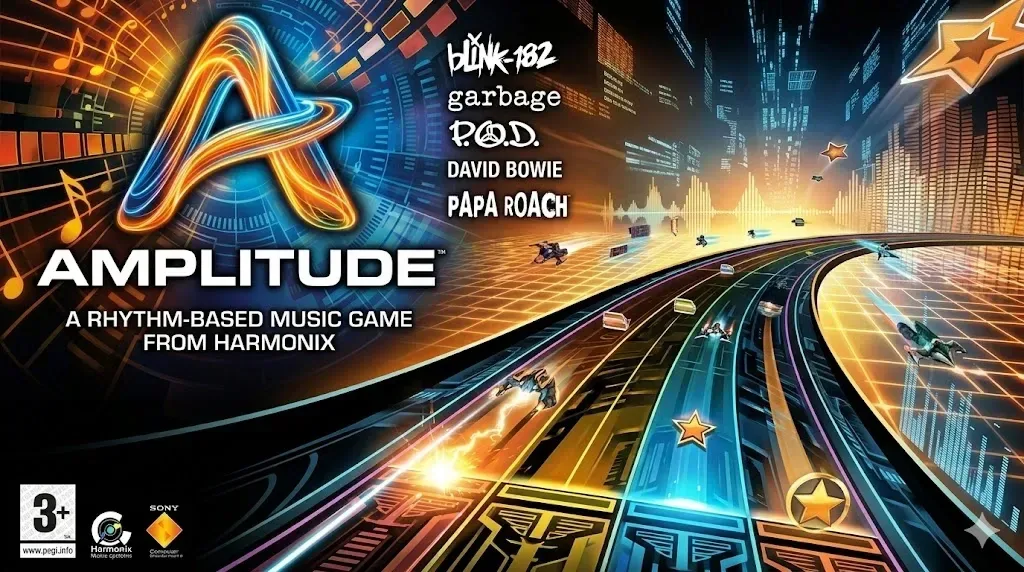 AmplitudeHarmonix Music Systems developed Amplitude, a rhythm-based music game that Sony Computer Entertainment America published for the PlayStation 2 in 2003. The title serves as the follow-up to Harmonix's earlier game FreQuency and builds on that foundation with a more refined and polished experience. Players control a ship called the BeatBlaster, which travels along a futuristic track divided into separate lanes, each representing a different instrument within a song. The goal is to hit notes in each lane to activate that instrument, then move to the next lane before the activated track fades out. Keeping all lanes active at once produces the full, layered sound of the song and drives up the player's score. This hands-on approach connects players directly to the music rather than simply asking them to press buttons in time with a beat. The game draws from a licensed soundtrack spanning hip-hop, rock, and electronic music, with artists including Weezer, David Bowie, and Blink-182 contributing original tracks.
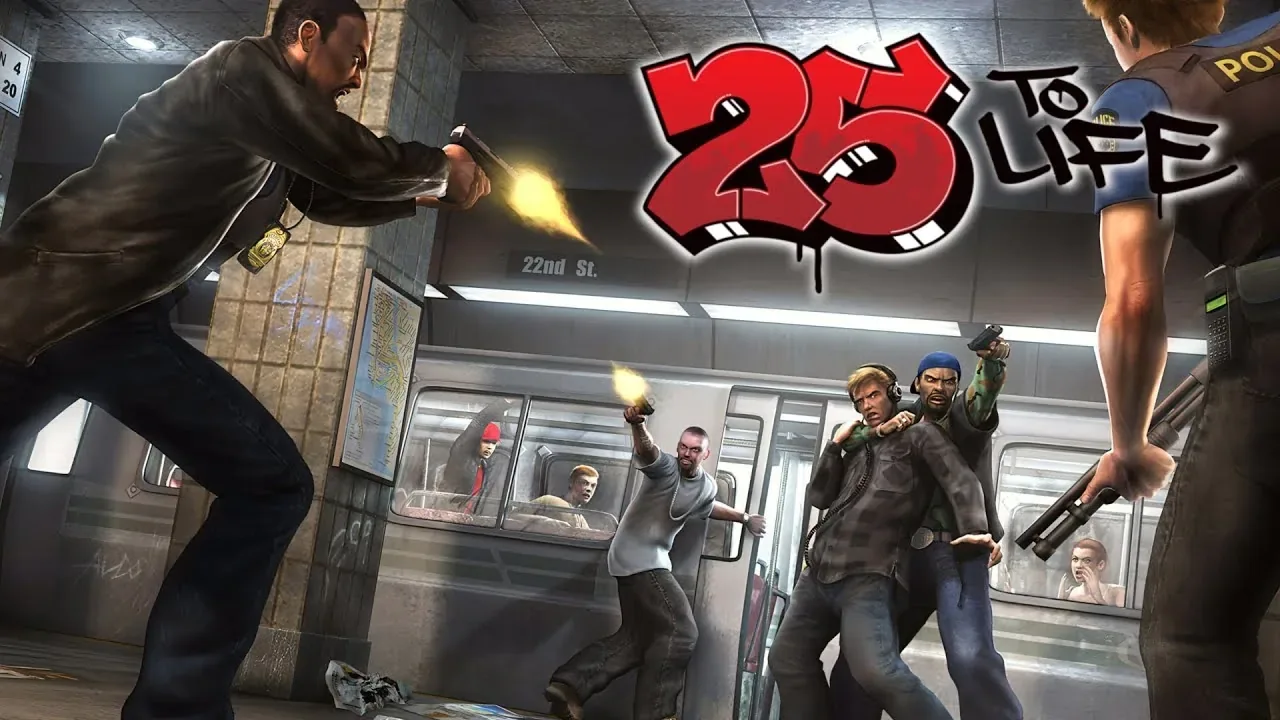 25 to LifeAvalanche Software developed 25 to Life, a third-person shooter that Eidos Interactive published for the PlayStation 2 in 2006. The game places players in the middle of a street-level conflict between law enforcement and gang members, letting them experience both sides of that war across different story missions. Players choose to step into the role of a cop working to clean up the streets or a criminal trying to survive in a dangerous world. This dual-perspective setup gives the game a distinct identity that few shooters of its era attempted. Combat happens across urban environments like city streets, back alleys, and housing projects, all bringing a gritty, ground-level tone to every encounter. Players take cover behind obstacles, shoot at enemies, and fight through waves of opposition while working through stories about loyalty, crime, and betrayal. The game draws heavily from early 2000s hip-hop culture, featuring a licensed soundtrack full of tracks from well-known artists of that period.
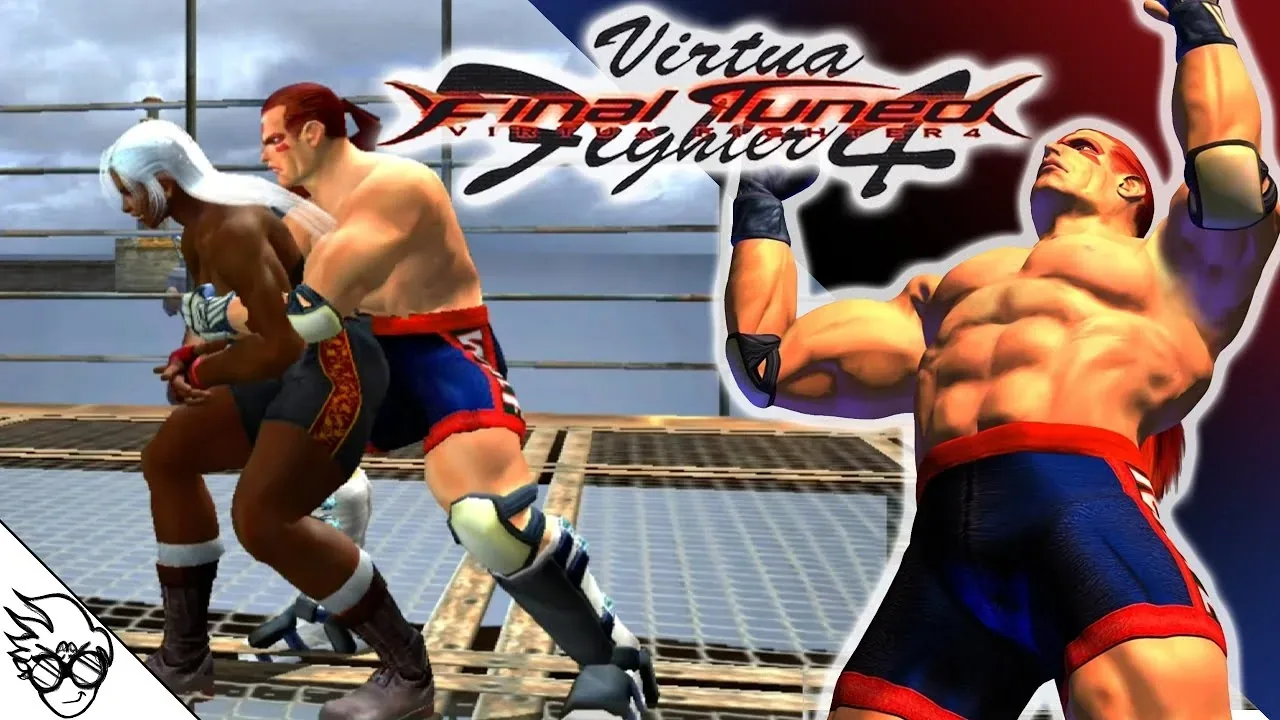 Virtua Fighter 4Virtua Fighter 4 is a 3D fighting game that Sega developed and published, originally releasing in arcades before Sega AM2 brought an upgraded version to the PlayStation 2 in 2002. Sega AM2, the studio responsible for the entire Virtua Fighter series, crafted one of the most technically demanding fighting games of its generation. The game operates on a three-button system using punch, kick, and guard inputs, keeping the mechanics grounded and precise. Unlike many competitors that rely on flashy special moves or projectiles, Virtua Fighter 4 focuses entirely on real-world martial arts disciplines. Each of the sixteen characters draws from a distinct fighting style, ranging from wrestling and judo to kung fu and karate. Depth comes from understanding movement, spacing, and the precise timing of counters and reversals. This commitment to realistic combat mechanics set the game apart from nearly every other fighting title at the time and earned it a devoted competitive player base worldwide.
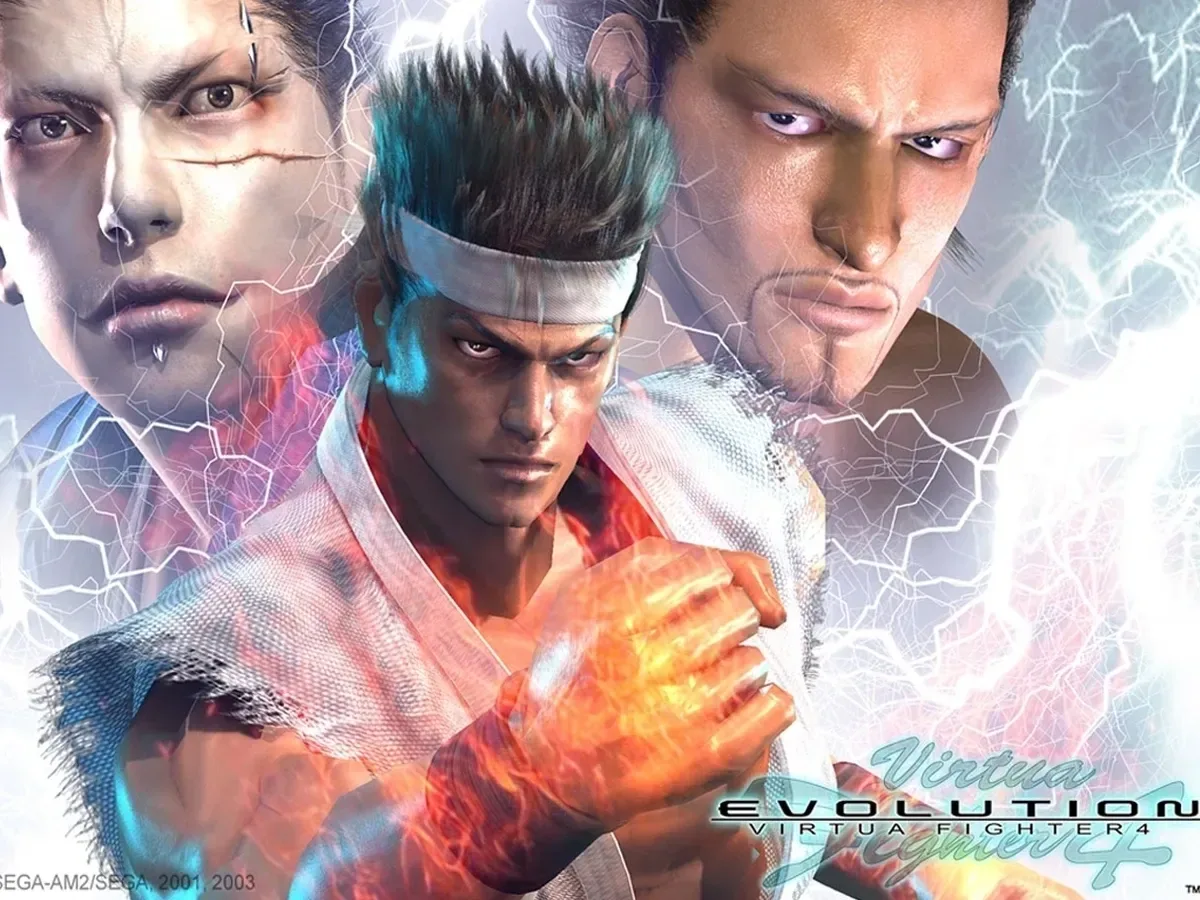 Virtua Fighter 4: EvolutionSega AM2 developed Virtua Fighter 4: Evolution as a complete upgrade to the original Virtua Fighter 4, first releasing it in arcades before bringing the expanded version to the PlayStation 2. The game places players in control of seventeen fighters, each trained in a real-world martial art style, and challenges them to defeat opponents by draining their health bar or pushing them out of the ring. Sega published the PS2 version as a budget title in North America, making it widely accessible at launch. The core appeal of the game lies in its exceptionally deep combat system, where every fighter responds to inputs with precision and every match rewards careful play and knowledge of the matchup. Unlike many fighting games that favor flashy moves and special effects, Virtua Fighter 4: Evolution keeps the focus on fundamentals: spacing, timing, and reading your opponent. The game added two new characters, Brad Burns and Goh Hinogami, and refined the balance of every returning fighter, making the roster feel considered and complete.
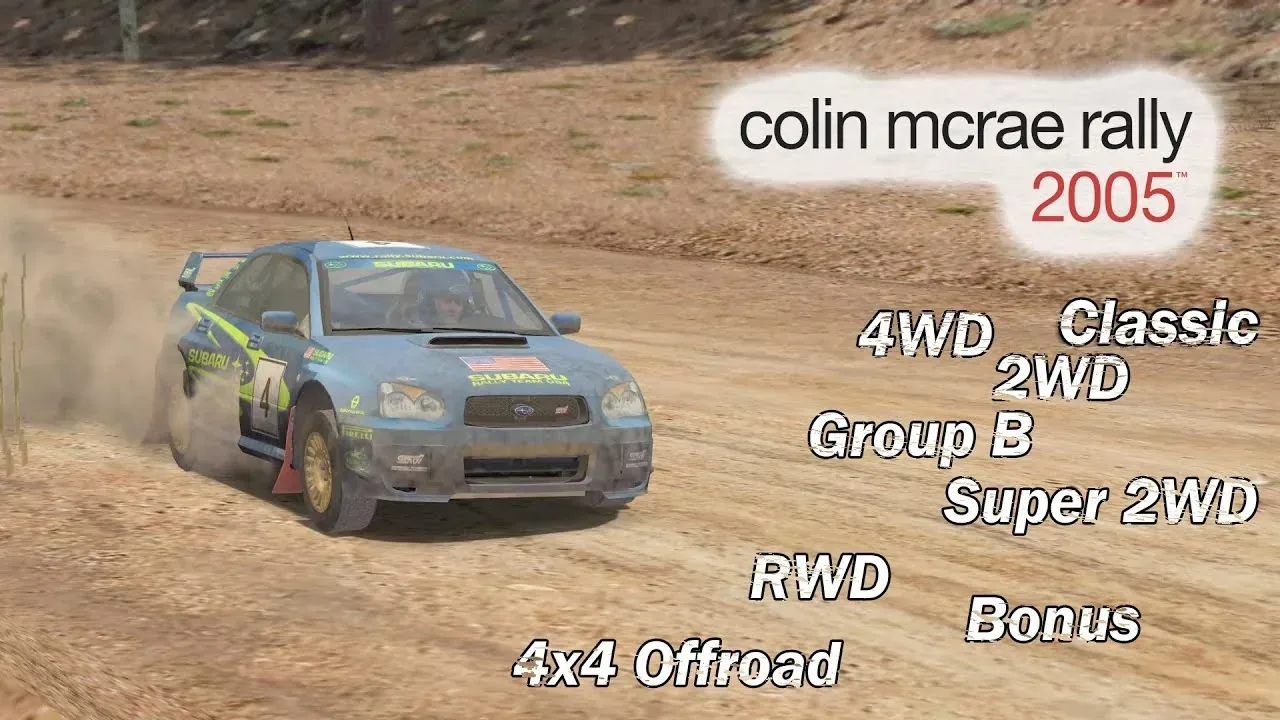 Colin McRae Rally 2005Colin McRae Rally 2005 is a rally racing game developed and published by Codemasters for the PlayStation 2. The game launched in 2004 as the sixth main entry in the Colin McRae Rally series, carrying the name of the legendary Scottish rally driver who helped build the franchise into a celebrated racing brand. Players take the wheel of real-world rally cars across diverse off-road environments, pushing through loose gravel, deep mud, compacted snow, and sealed tarmac roads in a race against the clock. Unlike circuit racing games, every stage takes place on point-to-point closed roads where no other cars share the road, making each run a personal test of skill and consistency. The physics model captures how different surfaces change car behaviour, forcing drivers to adapt their approach from one stage to the next. A strong roster of licensed vehicles from top manufacturers and a demanding but approachable handling model help the game stand out as one of the best rally titles on the PlayStation 2.
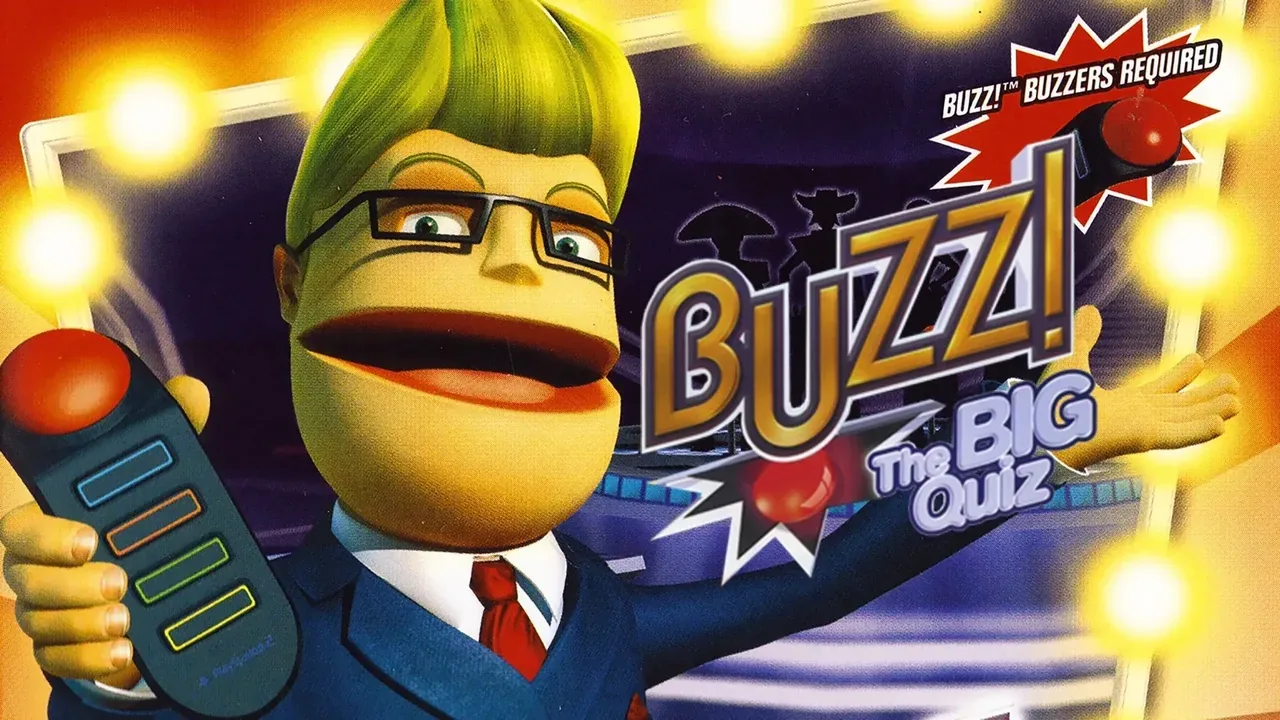 Buzz! The Big QuizRelentless Software developed Buzz! The Big Quiz and Sony Computer Entertainment Europe published it for the PlayStation 2 in 2005. The game drops players into a colorful television quiz show where a loudmouthed character named Buzz hosts every match and delivers constant commentary, jokes, and taunts to keep things entertaining. Rather than using a standard DualShock controller, players each hold a dedicated Buzz buzzer, a chunky plastic device with a large red button on top that they press to lock in answers before opponents can react. This physical setup separates the game from typical trivia titles and gives it the energy of a real television game show. Questions cover a broad range of topics, from sports and science to music and general knowledge, keeping rounds unpredictable and engaging for players of all interests. The multiple-choice format keeps things accessible while the buzzer mechanic rewards speed and confidence, making it genuinely exciting to race an opponent to the answer before time runs out.
 Colin McRae Rally 3Codemasters developed and published Colin McRae Rally 3 for the PlayStation 2 in 2003, delivering a rally racing experience rooted in real-world competition. The game places players behind the wheel of licensed rally cars, competing across timed stages through varied terrain and demanding weather conditions. Unlike circuit racing titles, each stage requires precise car control, fast reactions, and close attention to co-driver pace notes that call out corners and hazards on the road ahead. The title takes inspiration from the career of Scottish rally champion Colin McRae, using his driving philosophy as the foundation for a challenging and authentic off-road racing experience. The physics model stands as one of the game's defining qualities, rewarding players who master grip levels, weight transfer, and throttle control while punishing those who drive beyond the car's limits. The PlayStation 2 hardware supports detailed car models, a damage system that visibly affects performance, and weather that shifts across stages to keep conditions varied and unpredictable.
 Camp RockDisney Interactive Studios published Camp Rock, a music rhythm game for the PlayStation 2 that THQ Studio Australia developed. Based on the hugely popular Disney Channel original movie of the same name released in 2008, the game pulls players into the world of Camp Rock, a summer music camp where aspiring young musicians come to sharpen their skills and chase their dreams. Players take on the role of Mitchie Torres, the film's main character, working her way through the camp experience and connecting with other musicians along the way. The game captures the spirit and energy of the movie, bringing its soundtrack and characters to life on screen. At its core, Camp Rock runs as a rhythm game where players must hit notes in time with popular songs from the film, including tracks by Demi Lovato and the Jonas Brothers. The colorful presentation and familiar cast make it a natural pick for fans of the movie.
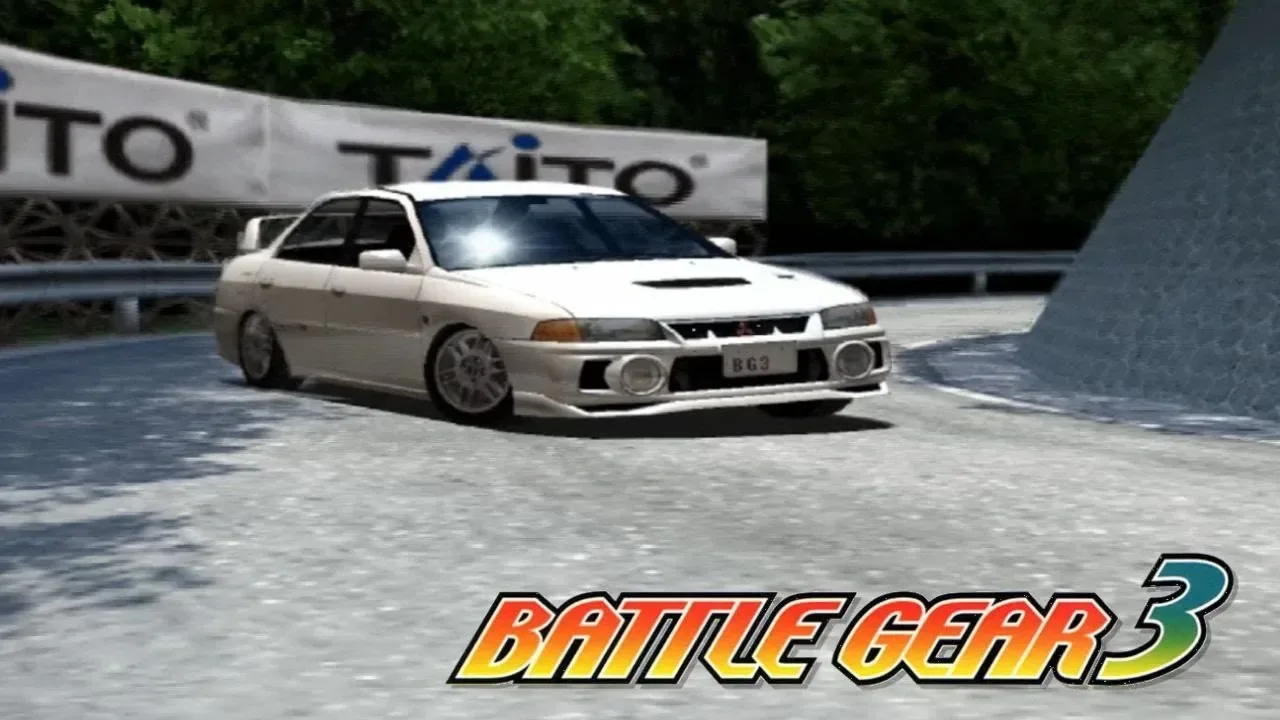 Battle Gear 3Battle Gear 3 is an arcade-style racing game developed and published by Taito Corporation for the PlayStation 2. Based on the popular arcade series that found a loyal following across Japan and parts of Asia, this entry brings the fast-paced street racing experience to home consoles with a strong focus on Japanese domestic market cars and tuning culture. Players take control of real licensed vehicles from manufacturers such as Toyota, Nissan, Mitsubishi, Subaru, and Honda, competing across a range of courses that capture the feel of high-speed mountain and highway racing. What sets Battle Gear 3 apart from other racing titles of its era is its deep connection to Japanese car culture, offering a lineup heavily weighted toward sports compacts and performance coupes that enthusiasts will immediately recognize. The driving model sits between simulation and arcade, giving players a satisfying sense of speed without demanding the precision of a full simulation racer. The game rewards clean cornering and smart use of the manual transmission system, making skill a genuine factor in race outcomes.
 Buzz! Junior: Jungle PartyCohort Studios developed Buzz! Junior: Jungle Party as a party game for the PlayStation 2, with Sony Computer Entertainment Europe publishing the title in 2007. The game targets younger players with a colorful jungle theme and a cast of four cartoon animal characters: a gorilla, a parrot, a hippo, and a crocodile. Players compete across a series of quick, laugh-out-loud minigames set in a vibrant tropical world full of bright colors and playful animation. The title uses the Buzz! Buzzers controller set as its primary input device, making gameplay feel physical and immediate for every player at the table. Each buzzer features a large red button and four colored buttons, which keeps the controls simple enough for young children to grasp right away. The jungle setting gives every minigame a distinct visual identity, from swinging through trees to racing across riverbeds, and the cheerful presentation keeps the energy level high throughout every session.
 Buzz! Junior: Dino DenRelentless Software developed Buzz! Junior: Dino Den as a party game for the PlayStation 2, with Sony Computer Entertainment handling publishing duties. The title came out in 2007 and targets a very young audience with its cheerful dinosaur theme and a gameplay style that centers on the iconic Buzz! buzzers. These large plastic controllers, each featuring a big red button and four smaller colored side buttons, were a signature feature of the Buzz! franchise across the PS2 era. Players pick from a cast of cartoon dinosaur characters and then compete against one another across a series of short, energetic mini-games that younger children can jump into without instruction. The game stands out for its extremely low barrier to entry, making it one of the most approachable multiplayer titles on the PS2 for small kids. Bright visuals, upbeat music, and forgiving mechanics create a fun atmosphere that welcomes young players to competitive gaming without adding pressure or confusion. Each round wraps up quickly, keeping the energy moving and the mood lively throughout every session.